

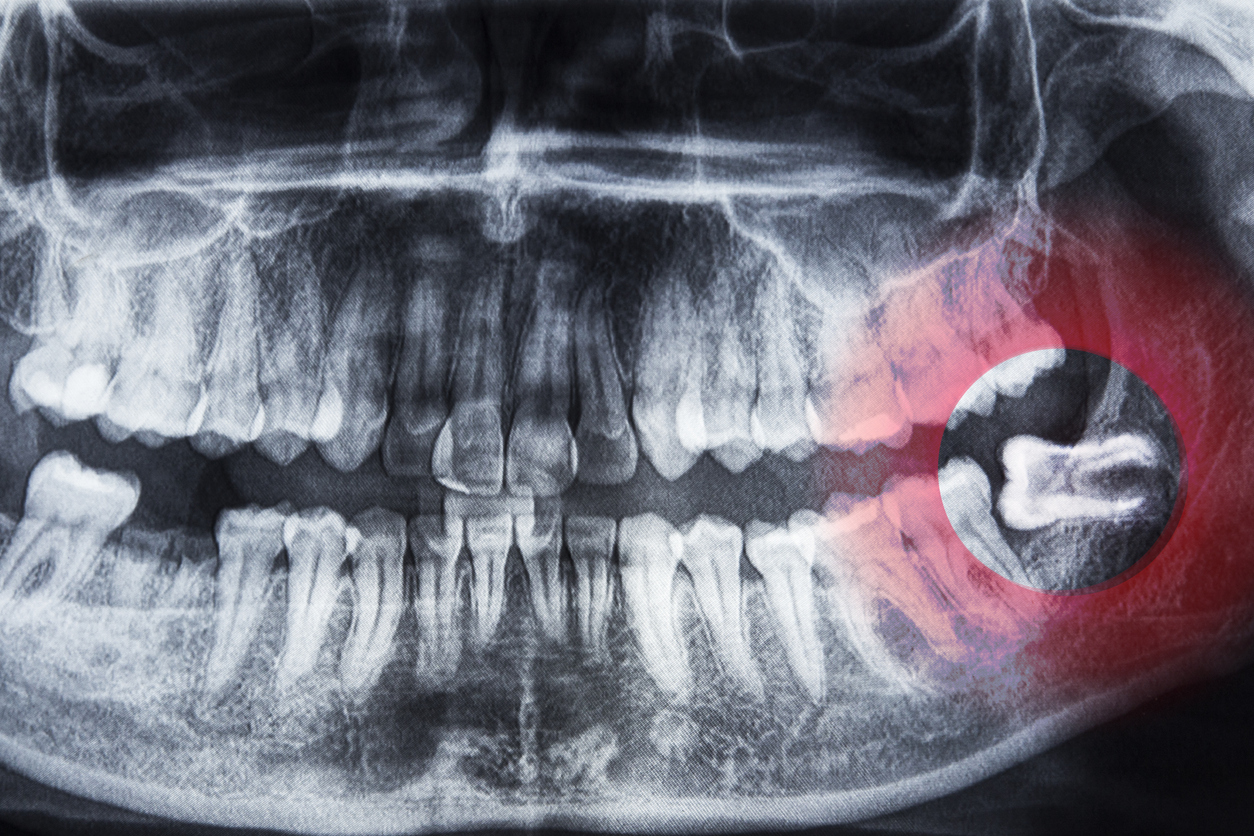
You’re getting your wisdom teeth removed. Naturally, you have some questions about the recovery process. What’s the wisdom teeth recovery timeline? How long does wisdom teeth recovery take? What are the best foods to eat after wisdom teeth extraction? What is dry socket, and how can you prevent it after surgery?
Well, let's start by saying that wisdom teeth removal is one of the most common oral surgery procedures and recovery is typically very manageable as long as you follow your post-operative instructions and take the necessary measures to protect the healing sites.
In addition to the things you have control over, every case is different, with your wisdom teeth removal recovery also being dependent on factors like the number of teeth removed, whether or not your wisdom teeth were impacted, and how your body responds to healing. The sooner you get your wisdom teeth removed and treated, before the areas are inflamed or infected, the easier the recovery.
In this guide, we’ll go over the day by day wisdom teeth recovery timeline, which foods to eat and which to avoid, how to lower your risk of dry socket, and make sure you understand what’s normal versus when you should call your oral surgeon.
How long does wisdom teeth Recovery Take?
There’s a good chance that you’ve found yourself reading this guide because you typed into Google something like how long wisdom tooth recovery time takes. This is often people’s biggest question when it comes to recovery. Which makes sense. You want to know when you can get back to normalcy.
Well let’s break it down:
For many patients, the symptoms are the most noticeable in the first 3 to 5 days.
For others, pain is minimal all the way through recovery. In fact, many people are able to go to work the next day!
Symptoms can include swelling, soreness, jaw stiffness, and mild bleeding, but there are many ways that your surgeon can help minimize the chance of these.
Generally, most people are able to return to work, school, and light daily routines within a few days after surgery, with more complete healing taking closer to 1 week.
Timelines can range because wisdom teeth removal recovery time varies patient to patient. A general rule of thumb is that you should prepare to give yourself a day of rest and recovery just in case, and then be aware that your body is gradually healing for around 2 weeks with the majority of most people’s pain being completely resolved within 1 week. Extraction sockets can take anywhere from a few days to a few weeks to close.
The exact recovery time for wisdom teeth removal depends on the complexity of the procedure, and your individual healing response. For example, a simple extraction will heal more quickly, while an extraction of teeth that were impacted could make for a longer recovery window.
Day by Day Wisdom Teeth Recovery Timeline
Having a clear wisdom teeth recovery timeline can be a huge help during your recovery as you wonder what’s normal vs when to reach out to your surgeon.
Day 1: The First 24 Hours
The foundation of the healing process is the blood clot that forms in the extraction socket, and the first 24 hours is all about protecting this clot while it’s at its most vulnerable.
Your recovery process will begin with gauze pads, that are placed over the extraction sites post-procedure, as a way of managing bleeding. Most patients only need gauze for the first few hours, while others require gauze changes on and off throughout that first day.
In the first 24 hours, it’s important to avoid all activities that could disturb the clot in the extraction sites including spitting, using straws, smoking, drinking alcohol or carbonated beverages, brushing, using mouthwash, or rinsing aggressively. These are some of the things that can increase the chance of getting dry socket. If you adhere to your oral surgeon’s guidelines, the risk of developing dry socket is much lower. At Seda Oral Surgery, we also have the ability to take growth factors from your blood in order to place a “super clot,” and if you’re getting the procedure done with IV Sedation, no additional needles are needed to draw your blood.
You should also keep your head elevated, use ice packs as directed by your oral surgeon, get lots of rest, drink plenty of water, and stick with very soft foods. Elevating your head will help decrease the chance of bleeding and pain.
Note: be especially careful with hot foods or drinks, because if you’re still numb from the anesthesia you could burn your mouth without realizing. It can take a few hours for the numbness to wear off. If you prefer to be numb and without pain for longer, there are special anesthetics we can utilize.
At Seda Oral Surgery, the majority of our patients do not require narcotics to manage their pain. That means you’ll likely only need medications like prescription dose Tylenol or Advil that we’ll prescribe to you at prescription strength.
Day 2-3: The Peak of Discomfort
When you get your wisdom teeth taken out recovery varies for everyone, but typically, the second and third days are when you’ll see the most swelling and experience the most soreness if any at all. You also may notice some bruising around the jaw. These are normal parts of the healing process and aren’t reasons to be alarmed.
During this time, continue taking medication as instructed by your oral surgeon, maintain a soft foods diet, rest, and avoid strenuous activity. Avoid crunchy or abrasive foods like chips, pretzels, toasted bread, crackers, etc. If you smoke, wait at least 2 weeks, and ideally longer, before you continue to do so, as the suction of the activity paired with chemicals in the tobacco can increase your risk of dry socket and slow healing significantly.
After 24 hours post-op, you should be able to go back to brushing your teeth, but make sure to be extra gentle near the extraction area. During this time, you should also be gently rinsing your mouth with warm salt water every two hours and after meals (do this for a week). Half a teaspoon of salt dissolved in 8 ounces of warm water is a standard mix. For convenience, you can also do 2 teaspoons in half a liter of water, and then carry this bottle with you, so you can keep up with your rinsing on the go.
This stage of the healing process can feel discouraging because there’s a chance your wisdom teeth recovery progress will feel like it takes a step back. But it’s important to keep in mind that when it comes to wisdom teeth recovery, things can often feel worse before they feel better.
Day 4-7: Things Should Start to Improve
By the fourth day, most patients will start seeing real improvements to their swelling and comfort levels, and many will return to doing light daily activities.
As you start to feel better, it’s important to keep in mind that your extraction sites are still healing and you shouldn’t jump back into the full swing of your normal routine. Intense workouts, crunchy foods, or anything that could irritate or damage the extraction sites should still be avoided.
Something reassuring to note is that when you’re at the 7 to 10 day mark, the gum tissue has often covered the socket enough that eating becomes noticeably more comfortable.
Week 1: The Home Stretch
At the one week mark, many patients will feel close to being back to normal. Likely, there will still be some lingering tenderness at the sites and food will still occasionally get stuck around the healing areas, but at this point the majority of the wisdom teeth removal recovery process will be behind you. At Seda Oral Surgery, we will see you a week after to demonstrate a way you can keep the areas clean, including giving you a special irrigating syringe.
Most patients can begin returning to a more normal diet, but it’s always best to follow your surgeon’s specific guidance, especially since every wisdom teeth extraction case is different.
It’s also worth mentioning that while soft tissue typically seals anywhere from 2 days up to 4 weeks, the underlying bone will take several more months to fully grow in. But this generally isn’t something you’ll even notice, as it’s happening beneath the surface of the gums.
Foods to Eat After Wisdom Teeth Removal
Knowing the right foods to eat after wisdom teeth extraction is a key part of ensuring your recovery goes smoothly. In the first few days, you should be eating soft, smooth, and easy to swallow foods that require very little chewing. Meanwhile, you should avoid crunchy, spicy, acidic, sticky, or hard foods. Also, if you have a smoothie or a milkshake make sure you use a spoon instead of a straw, as the suction caused from drinking through a straw can pull at the healing clot, and increase your risk of dry socket.
Good Foods to Eat After Wisdom Teeth Removal
- Yogurt
- Applesauce
- Mashed potatoes
- Smoothies eaten with a spoon
- Scrambled eggs
- Soup that’s warm but not hot
- Oatmeal
- Pudding
- Cottage cheese
- Soft pasta
Foods to Avoid After Wisdom Teeth Removal
- Chips
- Nuts
- Popcorn
- Seeds
- Crusty bread
- Spicy foods
You’ll slowly be able to reintroduce more normal foods back into your diet as your mouth feels better, but you should make sure you consult your surgeon, so they can give you specific guidelines for your individual case.
How to Prevent Dry Socket After Wisdom Teeth Removal
The most common complication that can occur during wisdom teeth removal recovery is dry socket, but luckily there’s many ways to mitigate the risk of it. So let’s dive into how to prevent dry socket.
What is dry socket?
The blood clot in the extraction site is the most important part of the healing process, because it protects the underlying bone and nerve endings. Dry socket happens when that blood clot becomes dislodged, doesn’t form properly, or dissolves too early. Without the clot, the area is left exposed, which slows the healing process significantly and can be quite painful.
At Seda Oral Surgery, we offer a treatment called Platelet-Rich Fibrin (PRF), which is like having a super clot with growth factors that decrease the chance of swelling, dry socket, and pain. We draw this from the very same IV we place to perform the sedation.
Signs and Symptoms
Knowing the signs and symptoms of dry socket is important, because then you can have a better idea of what’s normal versus when you should call your oral surgeon.
Here are some common warning signs:
- If you’re experiencing a severe throbbing or shooting pain that starts around the 2 to 4 day mark and continues to get worse.
- There’s a pain that’s radiating to your ear, temple, or neck.
- If your bone at the extraction site is visible.
- You have a bad taste or odor in your mouth that won’t go away even after gentle rinsing.
If you’re experiencing any of these symptoms call your oral surgeon right away. Dry socket is treatable, so don’t just hope things will resolve on their own. For example, your oral surgeon can place a medicated dressing in the socket that will reduce pain and help get your healing process back on track.
How to Prevent Dry Socket
The key for how to prevent dry socket, is to protect the clot during the early healing window.
So how can you do that?
- Make sure you avoid straws for at least 2 weeks after surgery, or longer if your surgeon recommends it.
- Avoid all tobacco products. Don’t smoke or vape for 2 weeks, and ideally longer. The suction paired with the chemicals in tobacco are a perfect storm for dry socket.
- Don’t spit aggressively for the first 2 weeks.
- Avoid intense workouts for about the first week, because elevated blood pressure can dislodge a clot.
- Stick to soft foods and don’t bite into anything hard that could affect the extraction sites.
- Carefully follow your post-operative care wisdom teeth instructions that your oral surgeon gives you.
- Stick to the wisdom tooth pain relief plan given to you by your oral surgeon.
Wisdom Teeth Recovery FAQs
What are the stages of wisdom teeth recovery?
The stages of wisdom teeth recovery generally follows this progression: In the first 24 hours, the clot forms and you should get plenty of rest. During days 2 to 3 you may experience peak swelling and soreness. In days 4 to 7 there’s typically gradual improvement. After 1 week since the procedure, there’s a good chance that apart from some lingering tenderness you’ll feel close to normal.
How long is wisdom teeth recovery?
Most patients will start feeling better after 3 to 5 days with complete healing of the soft tissues taking 1 to 2 weeks. The underlying bone then continues to grow for several months after that, but usually isn’t noticeable.
How to speed up wisdom teeth recovery?
The honest answer to how to speed up wisdom teeth recovery is that you can’t. Your body will heal at the pace that your body heals. However, what you can do is give your body what it needs to heal most efficiently. Rest, hydration, soft foods, and following your surgeon’s post-op instructions are all key. You can also avoid mistakes that would slow down the healing process: avoid straws, smoking, strenuous exercise, hard foods, etc. In addition, keeping the area clean can help decrease the chance of any infection.
What should I know about dry socket during wisdom teeth extraction recovery?
Dry socket wisdom teeth removal recovery requires prompt attention. If you are experiencing the warning signs of dry socket in days 2 to 4 post-surgery you should contact your oral surgeon right away. It’s very treatable and they can get your wisdom teeth extraction recovery back on track.
Final Thoughts on Wisdom Teeth Recovery
Everyone’s wisdom teeth removal recovery timeline is different. However, by following your surgeon’s post-op instructions, doing everything necessary to protect the healing sites, and giving your body the time it needs to heal, you’ll put yourself in a great spot for a smooth recovery.
At Seda Oral Surgery, Dr. Seda uses advanced 3D imaging and precise surgical techniques to minimize trauma at the extraction sites, and set up a straightforward recovery. During your recovery, he is truly one call away if you need anything or have any questions.
So, if you’re in NYC and are looking for a trusted oral surgeon to perform your wisdom teeth extraction, or have questions about the recovery process, don’t hesitate to reach out.