

Corrective Jaw Surgery
Corrective jaw surgery, also known as orthognathic surgery, is a procedure used to correct severe misalignments of the jaw. When someone's upper and lower jaw are positioned improperly, it can create issues such as underbites, overbites, crossbites, or open bites. These can then lead to difficulties with chewing, speaking, and breathing, as well as contribute to facial asymmetry.
Beyond Straight Teeth
The goal of corrective jaw surgery is to bring the teeth and the jaws into harmonious alignment for long-term stability. Since this is a matter involving both tooth positioning and jaw positioning, treatment is carried out with close coordination between an orthodontist and an oral surgeon.






At a Glance
Get in TouchHow Corrective Jaw Surgery Could Benefit You
Corrective jaw surgery has both functional and cosmetic benefits. By repositioning your jaws into proper alignment, it can improve chewing and create a more comfortable bite, while also bringing your face greater balance. In certain cases, it can also improve speech, support airway function that enhances sleep, and reduce jaw strain that can contribute to TMJ discomfort.
Comfort Options
You will be placed under general anesthesia for the procedure, meaning you will be completely asleep. We will review your medical history in advance, ensuring your anesthesia plan is safe and appropriate for you.
Who’s it For?
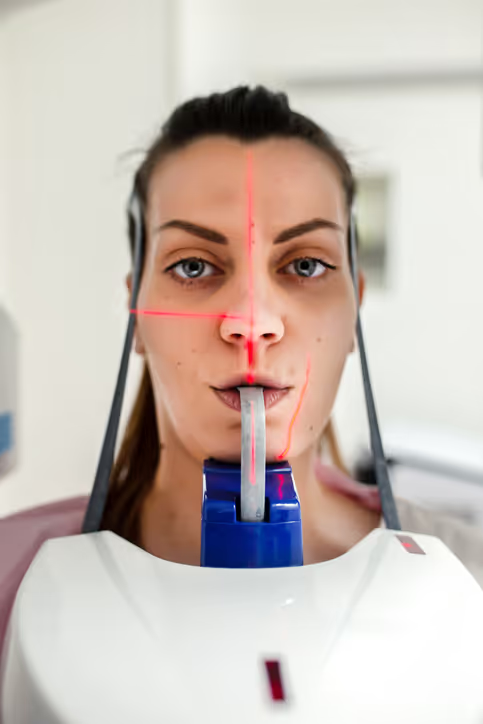
Those who are dealing with underbites, overbites, crossbites, open bites, or significant facial asymmetry should seek a consultation. Through advanced imaging, we can see if these issues are caused by a simple misalignment of the teeth or if a more serious underlying issue with the jaw bones is at play.
Recovery Snapshot
Recovery from corrective jaw surgery is more involved than most dental procedures. Swelling is expected and improves over the first month post-surgery, with a more complete resolution occurring over several months. Most patients only require one night in the hospital and receive close support throughout the early recovery period.
Orthodontic Collaboration
Orthodontics are a key ingredient to a successful jaw surgery result. By aligning your teeth with orthodontics before and after surgery, we can ensure your teeth and jaw end up in a healthy harmony that leads to long-term stability.
Next Step
Schedule a consultation so we can do a comprehensive evaluation of your anatomy, review imaging, and determine if corrective jaw surgery is going to be the best option for correcting your misalignment. We will then coordinate a detailed plan tailored to achieving your goals.
Why You May Need Corrective Jaw Surgery
Corrective jaw surgery can be a life changing procedure for those who need it. When your upper and lower jaws don’t meet properly, it can cause issues ranging from difficulty chewing and speaking to even breathing comfortably. Over time, the strain caused by this misalignment can worsen, leading to chronic discomfort and fatigue. On top of this, your teeth can wear unevenly, which can lead to chipping and other damage.
Many patients experiencing jaw alignment issues start with orthodontic treatment, thinking that the problem is simply that their teeth aren’t straight. When straightening the teeth doesn’t fully correct their symptoms, it often becomes clear that the underlying issue is jaw position. Even though cosmetically, things might look better, the functional issues of bite instability, strain, difficulty chewing, etc. can still remain unresolved.
The goal of corrective jaw surgery is to restore balance between your teeth, jaws, and facial structure, creating long-term comfort, function, and stability. For the right patient, it can be a truly life altering procedure, because it can give you back critical functions required to live an easier and more comfortable life.

When Corrective Jaw Surgery Might Be Recommended
- You have an underbite, overbite, crossbite, or open bite that can’t be corrected with orthodontics alone.
- Chewing is difficult or uncomfortable because your teeth don’t line up properly.
- Your speech is affected by your bite or jaw alignment.
- Breathing or airway function is impacted by jaw structure including sleep related concerns like sleep apnea.
- You’re experiencing jaw strain, fatigue, or facial muscle soreness because of how your bite fits together.
- You have significant facial asymmetry caused by jaw position.
- You’ve had dental problems related to an imbalanced bite such as uneven wear or chipping.
If you aren’t sure whether your concerns are tooth-related or jaw-related, then book a consultation and we’ll do a comprehensive evaluation to identify the true source.



The Seda Approach Step By Step