

Dental Extractions
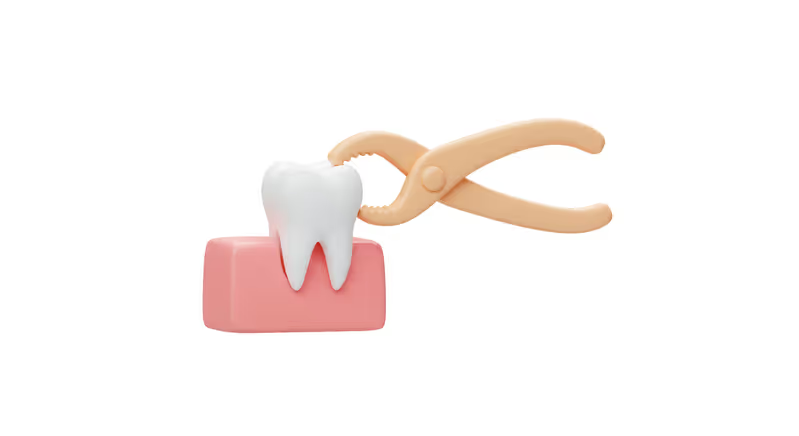
When a tooth is severely affected by infection, decay, fracture, or damage to the surrounding bone and gum tissue, a dental extraction may be necessary. The first step is a thorough evaluation to determine if the tooth can be saved or if removal is the safest option. When a compromised tooth is removed, it can offer an immense amount of pain relief and, by eliminating the infection or decay, help protect both the surrounding teeth and your overall oral health.

We Think Beyond the Extraction
After a tooth is removed, an empty space is left behind. Prior to the extraction, we’ll explore what potential replacement options look like, making a plan for your long-term oral health. This way we can do any preparations necessary during the extraction, such as getting the site ready for a dental implant if that’s the planned course of action.




At a Glance
Get in TouchBenefits of a Dental Extraction
A dental extraction can be incredibly important when teeth are severely decayed, infected or damaged beyond repair. Treating these issues in a timely manner can prevent infection from spreading and protect your overall health.
Recovery Snapshot
Most pain will be managed with non-narcotic medication and you'll go home with clear instructions for pain control, eating, and hygiene, along with knowledge of what's normal versus when you should call us.
Who’s it For?
Dental extractions are for people who have teeth that are damaged to an extent that is unrepairable. Before removal, we work closely with your dentist to ensure that the tooth truly can't be saved.
Next Step
Set up an evaluation and imaging so we can determine if the tooth is able to be saved or if removal is the safest option.
Comfort Options
We have a variety of sedation options from nitrous oxide to IV sedation. All patients will also receive local anesthesia to ensure there's no pain at the surgery site.

Why You Might Need Dental Extractions?
Preserving your natural teeth is always the goal. However, sometimes a tooth becomes compromised to the point where removal is the safest option. For example, when a tooth is severely decayed or infected, extraction can be critical in order to prevent the infection from spreading.
Figuring out if removal is truly necessary can be complex, which is why the decision should be made in close coordination with your oral surgeon and dentist. Your long-term outcome is always our top priority and we’ll always take our time and explore the potential of different options before recommending extraction.

When Dental Extractions Are Recommended
You may need an extraction if:
- A tooth is severely decayed or infected.
- A tooth is fractured below the gumline.
- Removing the tooth is necessary to protect surrounding teeth.
What is Dry Socket?
Dry socket or alveolar osteitis is a post-extraction complication that occurs when the normal blood clot in the extraction socket is lost or fails to form, exposing underlying bone and nerve endings.
Symptoms may include:
- Severe throbbing pain starting 2–4 days after extraction.
- Pain that radiates to the ear, temple, or neck.
- An unpleasant odor or taste.


Dr. Seda uses special techniques, and materials to avoid the incidence of dry socket. He’ll also carefully review post-operative instructions with you to ensure you follow a regimen that protects the healing site.
To help prevent dry socket, patients are advised to avoid using straws, spitting, and smoking for 2 weeks after extraction.
If dry socket does occur, an intrasocket medication can be placed to reduce pain as it heals.
The Seda Approach Step By Step