
Pathology/ Reconstructive Surgery
Oral pathology involves the diagnosis and treatment of abnormalities, ranging from soft-tissue lesions like bumps or patches that look different than native tissues, to bony lesions like cysts and tumors that are discovered through dental imaging.

From Biopsy to Reconstruction, All Under One Roof
Dr. Seda has extensive training in diagnosing and treating oral pathology. As part of every evaluation, regardless of what brings a patient into the office, he performs a thorough oral cancer screening. When an abnormal lesion is discovered, it’s removed and sent to a histopathology laboratory. Dr. Seda then works closely with the pathologist to ensure an accurate diagnosis and develop an appropriate treatment plan.
For some larger lesions, reconstructive surgery may be necessary to restore the patient’s anatomy. Dr. Seda is always using the most advanced techniques when it comes to delivering reconstructive results. For example, with soft tissue surgeries and bone grafting, he’ll use tissue-regeneration techniques like Bone Morphogenic Protein (BMP), Platelet Rich Plasma (PRP), and modern bone grafting materials to avoid needing donor tissue from other parts of the body.

At a Glance
Get in TouchImportance of a Pathology Screening
The earlier that abnormalities are detected, the better. Since lesions can vary widely in appearance and behavior, getting an accurate diagnosis followed by timely treatment can help ensure a condition doesn't worsen or negatively affect surrounding tissue and bone.
Recovery Snapshot
Your recovery will vary depending on the type, size, and location of the lesion. Smaller biopsies often heal quickly, while larger removals can have a longer healing period with more structured follow-up.
Who’s it For?
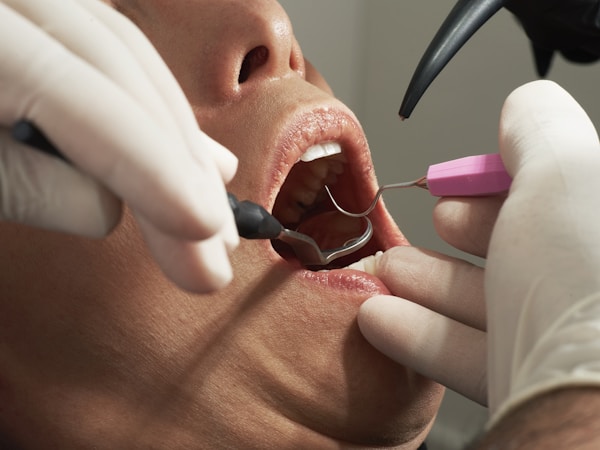
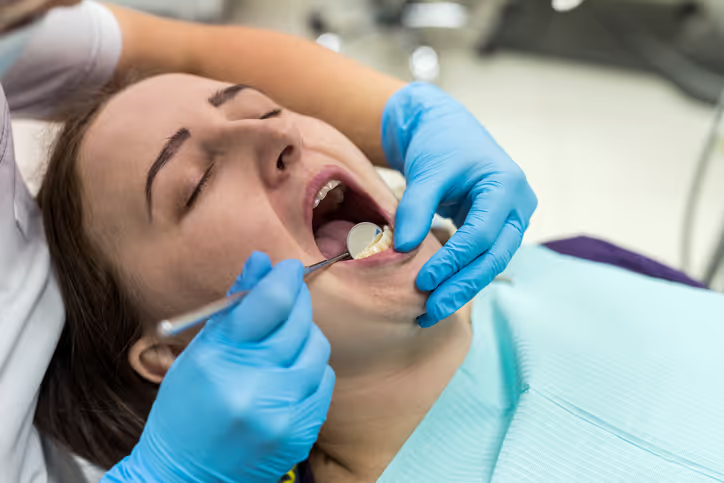
Dr. Seda performs an oral cancer screening regardless of what brings you into the office. He looks for abnormal bumps, patches or sores that could indicate the existence of a soft-tissue lesion, and dental imaging is used to discover bony lesions like tumors and cysts.
Next Step
Book a consultation so we can do an initial evaluation of the abnormality. For new onset lesions, an observation period of 2 weeks may be recommended, as most soft tissue lesions resolve on their own.
Comfort Options
For removal of lesions we use local anesthesia to numb the area. We also provide nitrous oxide, and if you're medically fit, can offer IV sedation. For larger lesions, an operating room setting with general anesthesia may be required.
Why You Should Get a Pathology Evaluation
Treating pathology and arriving at an accurate diagnosis as early as possible is critical for ensuring there isn’t any further growth of a lesion. While some lesions are harmless, others can grow or change in ways that are destructive to surrounding soft tissue and bone.
One of the biggest challenges with pathology is figuring out if a lesion is harmful or benign. It requires careful evaluation and, when appropriate, a biopsy and laboratory analysis. Once we know what characteristics a lesion possesses, we can put together an effective treatment plan to address it.
By catching harmful pathology early, treatment can be simpler, more predictable, and less invasive. It’s much easier to remove a small lesion that hasn’t had the time to progress than a larger one that’s affecting more of your tissue or bone.

When a Pathology Evaluation is Recommended
- You have a bump, patch or sore that hasn’t healed for a couple of weeks.
- You notice tissue changes happening in your mouth, gums, tongue, or lips.
- Imaging reveals a tumor or cyst in your bones.
- A lesion has changed size, texture or color.
- You experience unexplained swelling, discomfort or bleeding in your mouth.
- Your dentist notices an area of concern that needs a biopsy or further evaluation.


The Seda Approach Step By Step