

Dental
Implants
Dental implants are designed as a long-term solution for missing teeth. When you're missing a tooth it doesn't just impact your appearance, it can make chewing difficult, put extra strain on surrounding teeth, and when not replaced in a timely manner can even lead to shrinkage of your jawbone in the area where the tooth's root used to be. A dental implant helps with all three of these concerns.
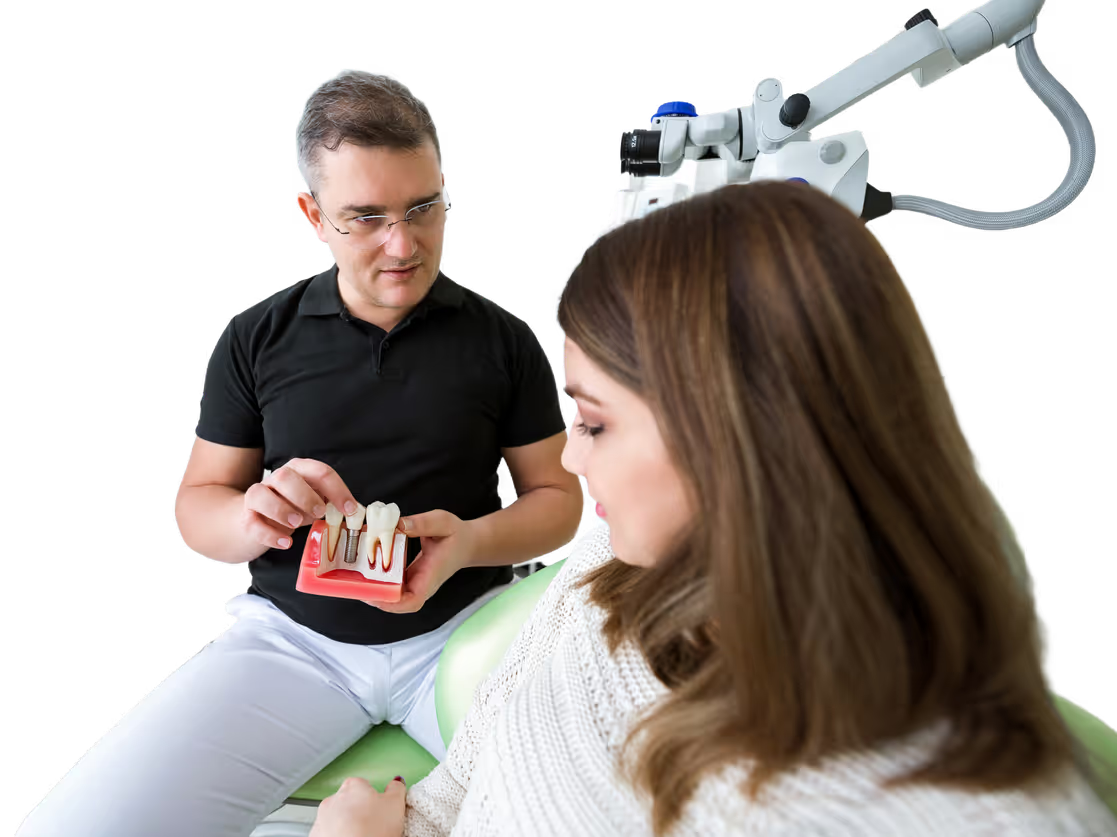
Built Into Your Bone. Built to Stay.
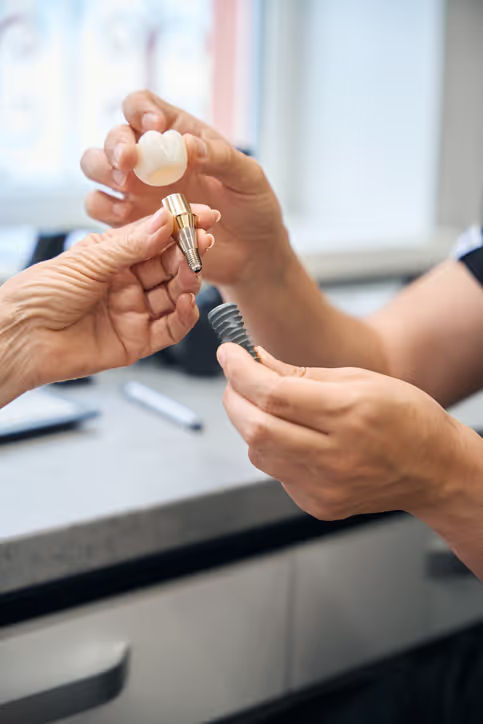
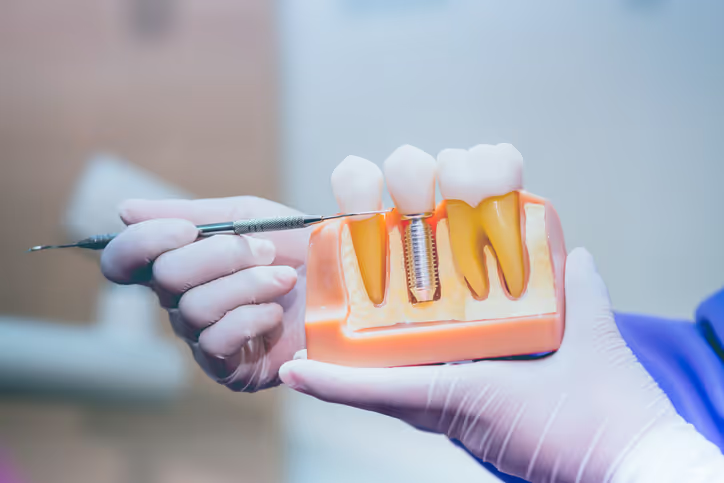
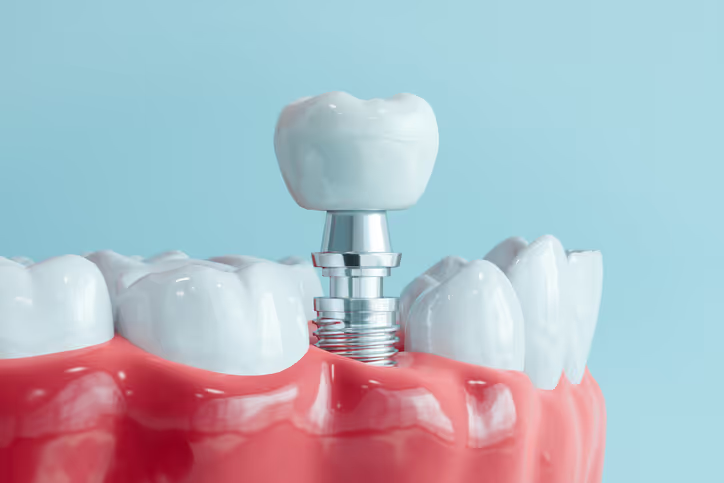
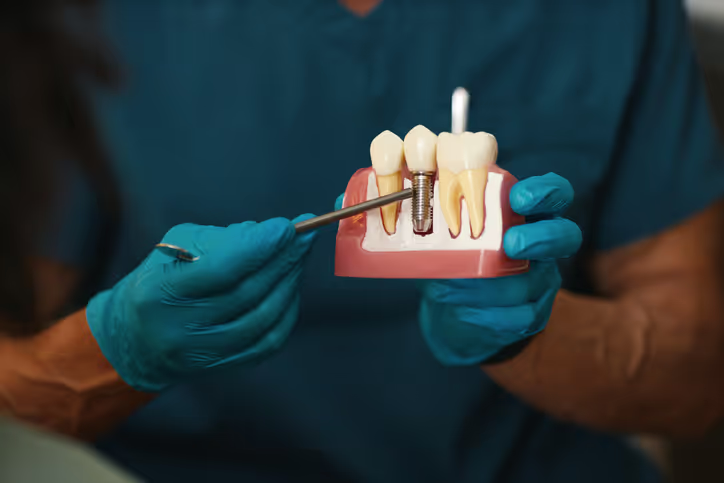
Because the implant is placed directly into the jawbone, it provides a stable foundation that restores function, while also stimulating the bone to help prevent bone loss in the area. The crown, which is the visible part of the tooth, is custom-made to match the shape, size and color of your surrounding teeth, offering a solution that is both highly cosmetic and extremely functional.
When placed properly, implants are an incredibly durable and reliable option for tooth replacement, because they’re anchored directly into the bone rather than relying on neighboring teeth for support. Between their natural appearance and their long-term stability, dental implants are a great tooth replacement option for many patients.





At a Glance
Get in TouchWhat Dental Implants Can Do For You
dental implant restores function and appearance to an area where you're missing a tooth. They do this in a way that feels stable, natural, and long-lasting, allowing you to chew more confidently, protect your surrounding teeth and make your smile appear more natural.
Recovery Snapshot
Most patients find that post-procedure discomfort is well tolerated on non-narcotic medication. After placing the implant, we allow it to heal and integrate with the bone over a period of 4-6 months before adding the crown.
Who’s it For?
Dental implants are a great option for anyone missing one or more teeth. If a missing tooth is impacting your ability to chew or you're frustrated by how it looks, an implant has the ability to restore both function and appearance.
Next Step
Schedule a consultation. From there we can do an in-depth evaluation of your anatomy and bone support, determining the best path forward and ensuring that a dental implant is the best option for you.
Comfort Options
All implant procedures are performed with local anesthesia to ensure there isn't any pain during the procedure. We also provide nitrous oxide, and if you're medically fit, we can offer an IV sedation if desired.

Why Get a Dental Implant?
Dental implants are a good option for someone who’s missing a tooth and is looking for a long-term solution. When you lose a tooth, it impacts more than just your appearance, it has very real functional effects, like altering your ability to chew comfortably and putting extra strain on surrounding teeth. There are also longer-term consequences of not replacing a missing tooth in a timely manner. Without the tooth root in place to stimulate the jaw bone, the bone can begin to shrink, which can lead to shifting teeth, bite changes and make future tooth replacement more complex.
Another benefit of implants is that they don’t require altering your surrounding teeth to provide support for the replacement tooth. They stand alone and function much like a real tooth, protecting your existing natural teeth in the process. This creates a result that looks and feels more natural and stable.
With proper planning, placement, and care, dental implants can be a great long-term tooth replacement option, often lasting decades, and in many cases, a lifetime.

When Dental Implants Are Recommended
Dental implants may be a good option if:
- You’re missing a tooth.
- Chewing feels weaker or unstable because of a missing tooth.
- You want a natural looking replacement that seamlessly blends in with your surrounding teeth.
- Your teeth surrounding the missing tooth location are healthy and you want to avoid altering them.
- Preserving your jaw bone and avoiding shrinkage is important for your long-term oral health.
- You’d prefer a fixed option over a removable replacement.


Immediate Dental Implants (Same-Day Placement)
In some cases, it’s possible to place a dental implant at the same time as a tooth extraction. For this to be possible, the implant site needs to meet specific stability criteria and have adequate bone volume. This procedure uses an advanced approach, requiring a highly skilled implant surgeon and precise planning. The benefit is that if you can place the implant immediately, and don’t need to wait for a bone graft to heal, you can reduce the restoration timeline by roughly 4 months.
Learn more about the procedure, benefits, recovery, and what to expect in our complete guide to dental implants.
The Seda Approach Step By Step